Common Causes of Settling in Commercial Concrete Slabs
Concrete slab mudjacking professionals can help stabilize and lift settling commercial slabs caused by soil shifting, erosion, or improper installation, restoring safety and levelness.
Understanding the common causes of settling in commercial concrete slabs is essential for property owners looking to maintain safe and functional outdoor spaces. Settling issues can lead to uneven surfaces, cracks, and potential safety hazards, making it important to identify underlying factors early. Property owners in the area often explore this topic to prevent more extensive damage and to ensure their slabs remain stable over time. Local contractors who specialize in concrete slab mudjacking can assess these causes and provide effective solutions to restore the integrity of the concrete, helping to avoid costly repairs down the line.
Many factors contribute to the settling of commercial concrete slabs, including soil movement, improper compaction during installation, or changes in moisture levels beneath the surface. Recognizing these issues can help property owners decide when to seek professional assistance. Local service providers experienced in mudjacking are equipped to address these common causes, offering a practical way to lift and level uneven slabs without the need for full replacement. Keeping an eye on these causes and working with trusted local contractors can help maintain the safety and appearance of commercial properties.
- Concrete slab mudjacking is often needed when settling causes uneven surfaces in commercial spaces, and local contractors use specialized lifting techniques to restore stability.
- When soil erosion or poor compaction beneath a slab leads to sinking, service providers can evaluate the foundation and perform mudjacking to level the surface.
- In cases where tree roots or organic material disturb the soil underneath, local pros can assess the cause and provide effective mudjacking solutions to prevent further settling.
- If previous construction or improper drainage has resulted in shifting or sinking slabs, experienced service providers can identify these issues and perform mudjacking to correct the problem.
- For commercial properties experiencing uneven floors due to underlying soil movement, local contractors can diagnose the cause and utilize mudjacking to achieve a more stable and level surface.
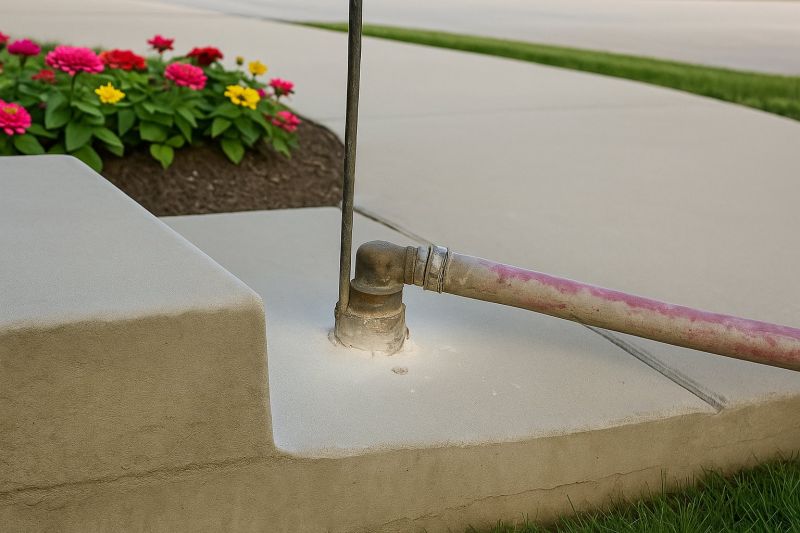
Understanding the common causes of settling in commercial concrete slabs is essential for property owners who notice uneven or sunken areas in their outdoor surfaces. When people search for this topic, they are often concerned about the safety, appearance, and functionality of their concrete structures, such as walkways, parking lots, or loading docks. Settling occurs when the soil beneath the slab shifts or compacts over time, leading to cracks, uneven surfaces, or even tripping hazards. Recognizing the root causes helps property managers and business owners plan appropriate repairs and prevents further damage that could disrupt operations or compromise safety.
This issue is frequently linked to problems with the soil or subgrade supporting the concrete. Common causes include inadequate soil compaction during initial installation, where the ground wasn’t properly prepared before pouring the slab. Over time, this can lead to uneven settling as loose or unstable soil shifts under the weight of the concrete. Additionally, soil types such as clay or sandy soils are more prone to movement, especially when exposed to moisture fluctuations. Poor drainage around the property can cause water to weaken the soil’s stability, accelerating settling. These problems are often encountered in properties with large, flat surfaces like commercial parking areas or industrial loading zones, where the integrity of the concrete is critical for safety and operational efficiency.
Other factors contributing to settling include changes in the moisture content of the soil beneath the slab. Excessive moisture from leaks, poor drainage, or high rainfall can cause soil to expand or contract, leading to uneven support. Conversely, drought conditions may dry out the soil, causing it to shrink and settle unevenly. Additionally, the natural aging of the concrete itself can play a role, especially if the slab was not designed with enough reinforcement or if the concrete mixture was not optimal for the specific site conditions. Such issues are common in properties with large, exposed concrete surfaces that endure frequent use and environmental stress, making them prime candidates for repair or stabilization services.
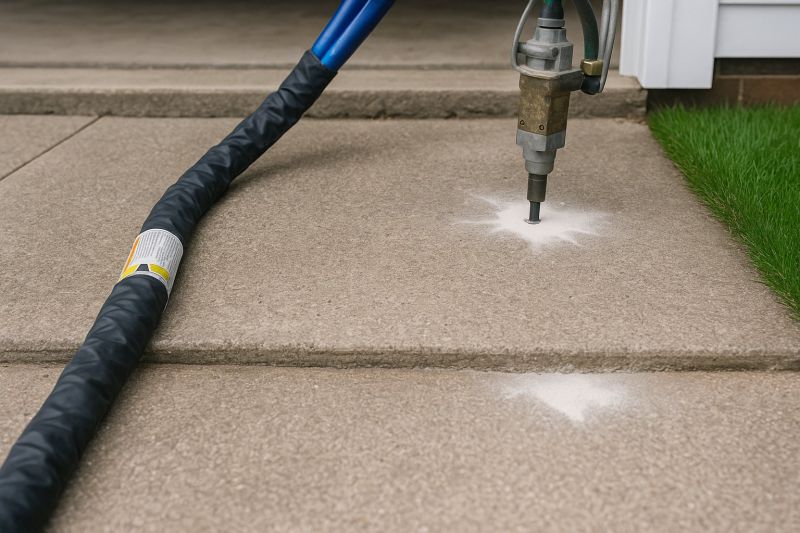
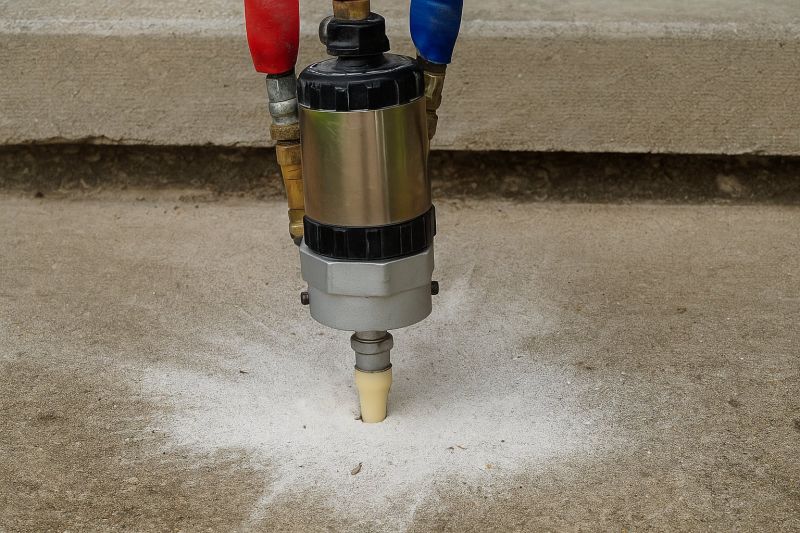
Local service providers specializing in concrete slab mudjacking are experienced in addressing the common causes of settling in commercial concrete slabs. They can evaluate the specific conditions of a property, identify whether soil instability, moisture issues, or other factors are contributing to uneven surfaces, and recommend appropriate solutions. Mudjacking involves injecting a supportive material beneath the slab to lift and stabilize it, restoring a level surface and preventing further settling. This process is often a practical alternative to full slab replacement, especially when the underlying soil issues are the main cause of settlement. Property owners can benefit from consulting with local contractors who understand the local soil conditions and can tailor repairs to ensure long-lasting stability for their commercial surfaces.
Foundation Repair Projects - expertise in addressing soil instability and foundation issues can be relevant for understanding settling causes in concrete slabs and how to remediate them effectively.
Pavement Restoration Services - similar skills in soil assessment and slab leveling are used when restoring uneven commercial walkways and parking lots affected by settling.
Structural Reinforcement Projects - knowledge of soil load-bearing capacity and subsidence helps in planning repairs for settling concrete slabs in commercial structures.
Driveway and Sidewalk Leveling - local contractors often use comparable techniques and tools to correct uneven surfaces caused by settling or ground movement.
Industrial Flooring Repair - addressing issues with large, flat concrete surfaces involves understanding soil compaction and settlement factors similar to those in commercial slabs.
Concrete Restoration Services - specialists in concrete repair utilize similar planning and tools when fixing cracks, unevenness, and settling in commercial concrete applications.
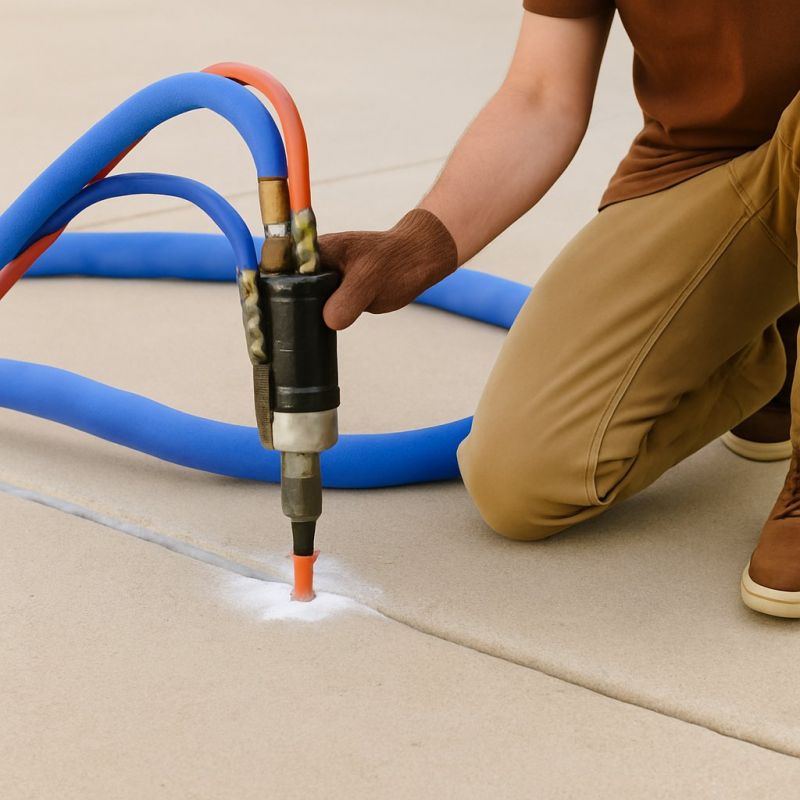
When comparing service providers for concrete slab mudjacking, it is important to consider their experience with similar projects involving commercial concrete slabs. Contractors who have a proven track record addressing common causes of settling-such as soil erosion, improper compaction, or foundation issues-are more likely to understand the nuances of your specific situation. Reviewing their portfolio or asking about past projects can provide insight into their familiarity with the challenges associated with commercial slabs and their ability to deliver effective solutions.
Clear written expectations are essential when evaluating local contractors for mudjacking services. A reputable service provider should be able to articulate the scope of work, the methods they plan to use, and the expected outcomes in straightforward terms. This transparency helps ensure that both parties are aligned on what the project entails and can serve as a foundation for assessing the contractor’s professionalism and attention to detail. Avoiding vague or overly technical language can also be a sign of a contractor who prioritizes clear communication.
Reputable references and good communication are key factors to consider when choosing a contractor for commercial concrete slab work. Service providers who can provide references from previous clients-particularly those with similar project needs-offer a level of assurance about their reliability and quality of work. Additionally, responsive and open communication during initial discussions can indicate a contractor’s willingness to listen, address concerns, and keep clients informed throughout the project. These qualities contribute to a smoother experience and increase confidence in selecting a contractor capable of handling the complexities associated with settling issues in commercial slabs.
Property owners often search for common causes of settling in commercial concrete slabs when they are planning practical projects around their homes and businesses. Local pros provide Concrete Slab Mudjacking services for everyday jobs and straightforward project options.
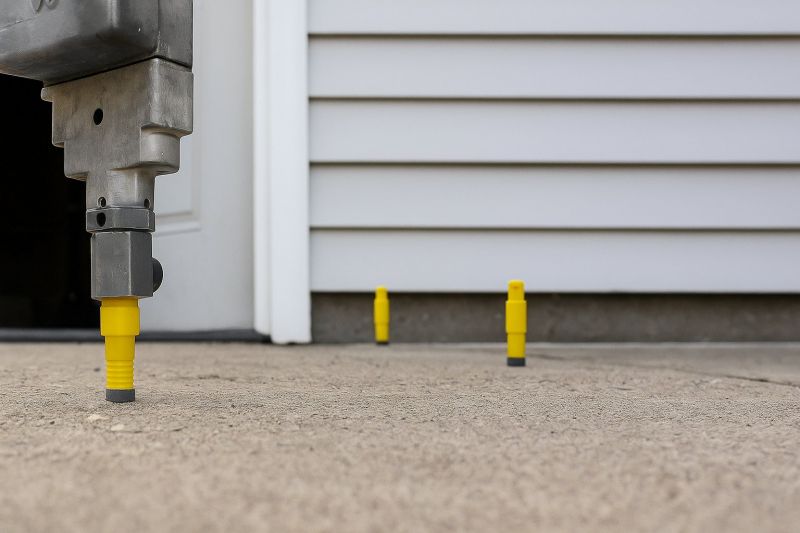
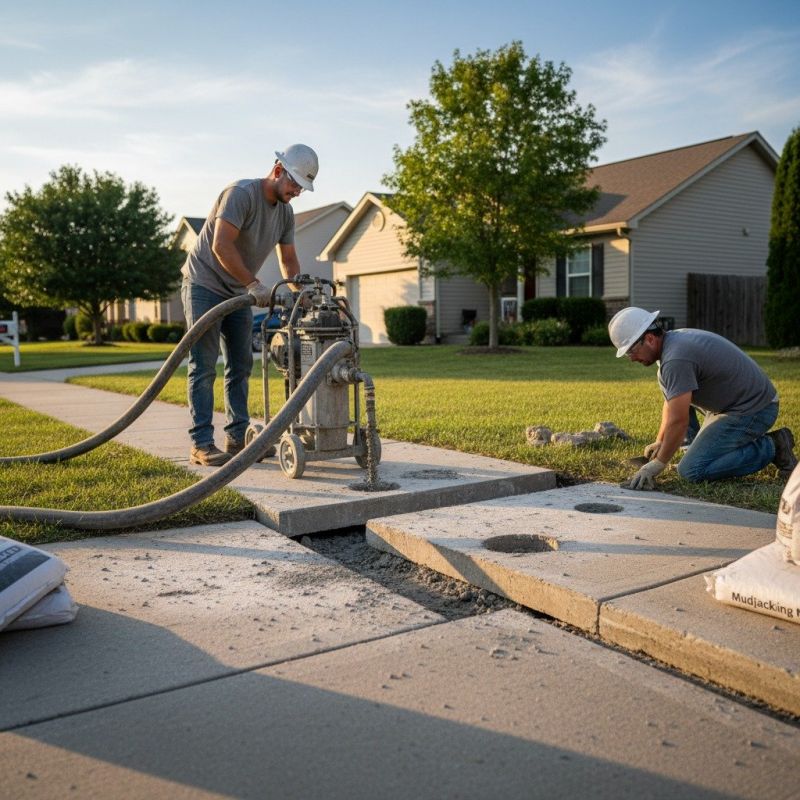
Understanding the common causes of settling in commercial concrete slabs can help property owners identify potential issues early on. In many cases, uneven settling occurs due to inadequate soil preparation before the slab was poured, such as poor compaction or unstable fill material. Additionally, changes in moisture levels beneath the slab-whether from irrigation, plumbing leaks, or drainage problems-can lead to soil shifting and uneven support. Over time, natural soil settling or compaction can also cause the concrete to sink or become uneven, especially in areas with clay or loose soil.
When settling problems arise, local contractors who specialize in concrete slab mudjacking can often provide effective solutions. Mudjacking involves lifting and leveling the slab by injecting a mixture beneath it, which can help restore stability and prevent further damage. Property owners noticing signs of uneven concrete-like cracks, slopes, or uneven surfaces-may consider consulting with local service providers experienced in mudjacking to assess the situation and determine the best course of action. These professionals can help address the causes of settling and improve the safety and appearance of commercial concrete slabs.
What are common causes of settling in commercial concrete slabs? Common causes include soil erosion, improper compaction during installation, and changes in moisture levels beneath the slab, which can lead to uneven settling over time.
How does soil instability contribute to concrete slab settling? Soil instability, such as shifting or softening soil, can fail to support the slab properly, resulting in uneven sinking or cracking, which local contractors can address through stabilization methods like mudjacking.
Can poor drainage cause settling issues in commercial concrete slabs? Yes, poor drainage can cause water to accumulate around or beneath the slab, weakening the soil and leading to settling; local service providers can evaluate drainage and perform mudjacking to restore stability.
Is improper subgrade preparation a reason for slab settling? Inadequate preparation of the subgrade, such as insufficient compaction or uneven fill, can cause the slab to settle unevenly, which experienced contractors can correct through mudjacking or other stabilization techniques.
How do changes in moisture content affect commercial concrete slabs? Fluctuations in moisture levels can cause soil to expand or contract, leading to uneven settling; local pros can identify the cause and perform mudjacking to level the slab effectively.
Soil instability - understanding how shifting or loose soil beneath a slab can cause settling helps property owners plan for proper soil preparation with local contractors.
Poor compaction - recognizing areas where soil wasn't adequately compressed allows for targeted mudjacking to stabilize the slab effectively.
Drainage issues - addressing water pooling or improper grading can prevent soil erosion that leads to uneven settling, with local service providers offering solutions.
Frost heave - knowing how freeze-thaw cycles affect soil can guide property owners to seek professional leveling services to maintain a stable concrete surface.
If you are thinking about common causes of settling in commercial concrete slabs for a property, this guide is meant to help you understand this topic, the typical project types, and how different options might fit your plans.
When you are ready, you can use the quote form on this page to share a few details about your project. From there, local pros can review the basics and follow up with options that match what you have in mind.